Alex666Cold
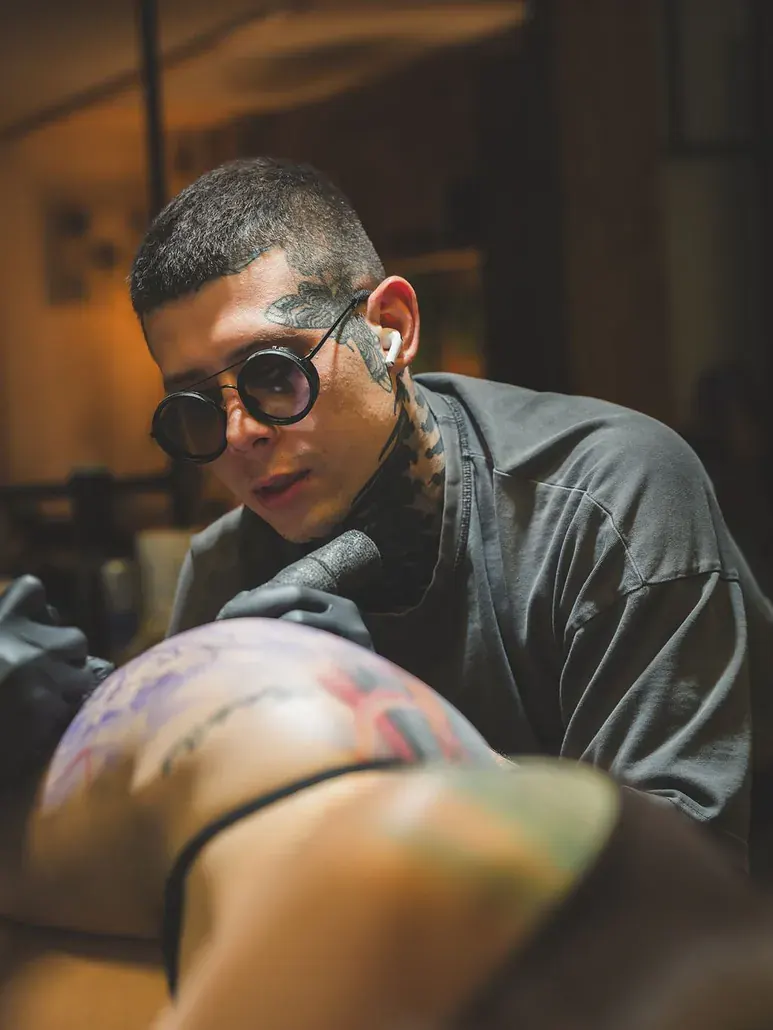
Co-founder and co-owner of the studio
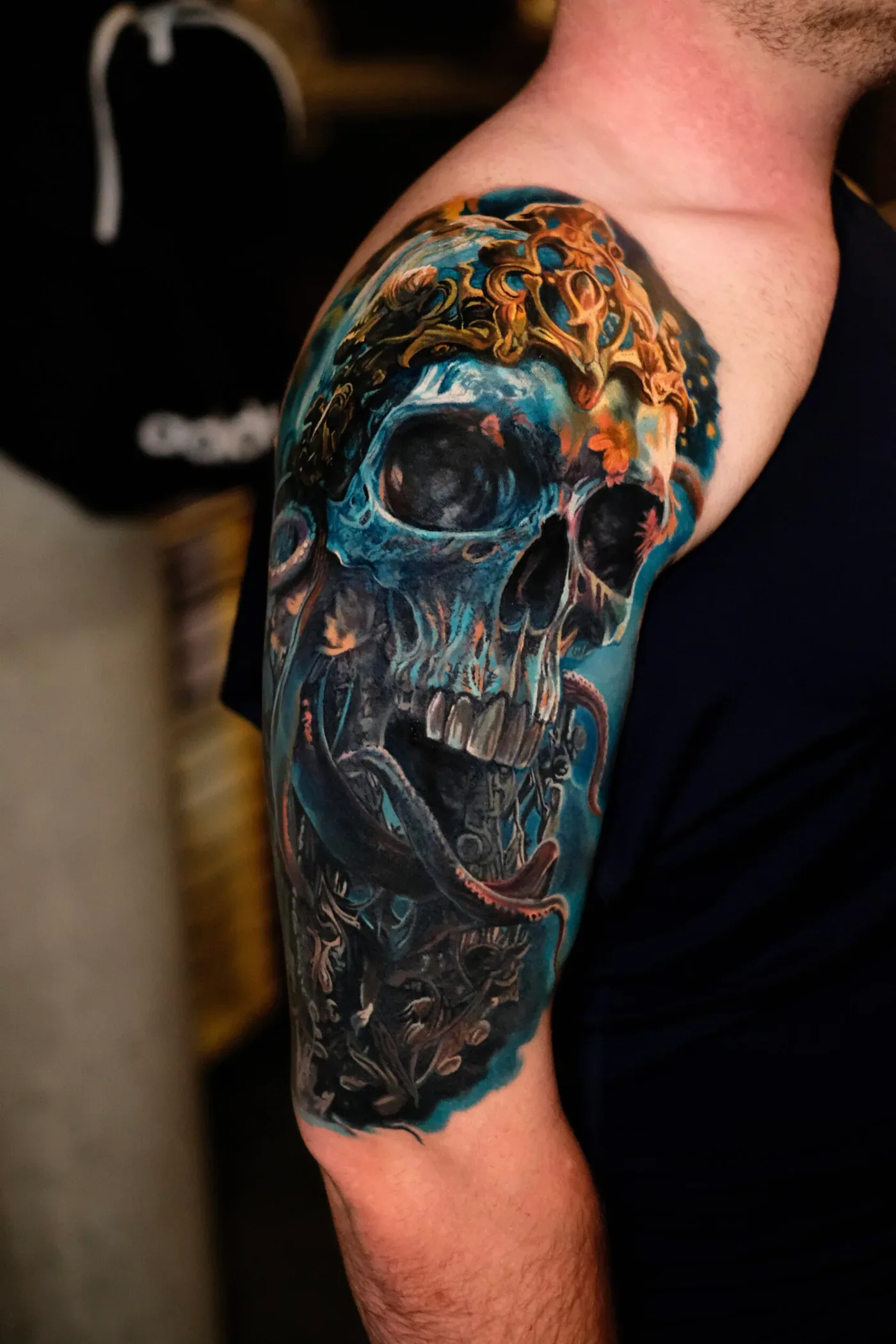
Alex666Cold is an international tattoo artist with over 17 years of experience, specializing in hyperrealism, photorealism, color realism and extreme cover-ups. Based in Wrocław.
Style: Cover-up
Cover-up tattoo in Wrocław: we cover old, faded or botched tattoos with a new design. Send a photo and we will assess the options before any deposit.
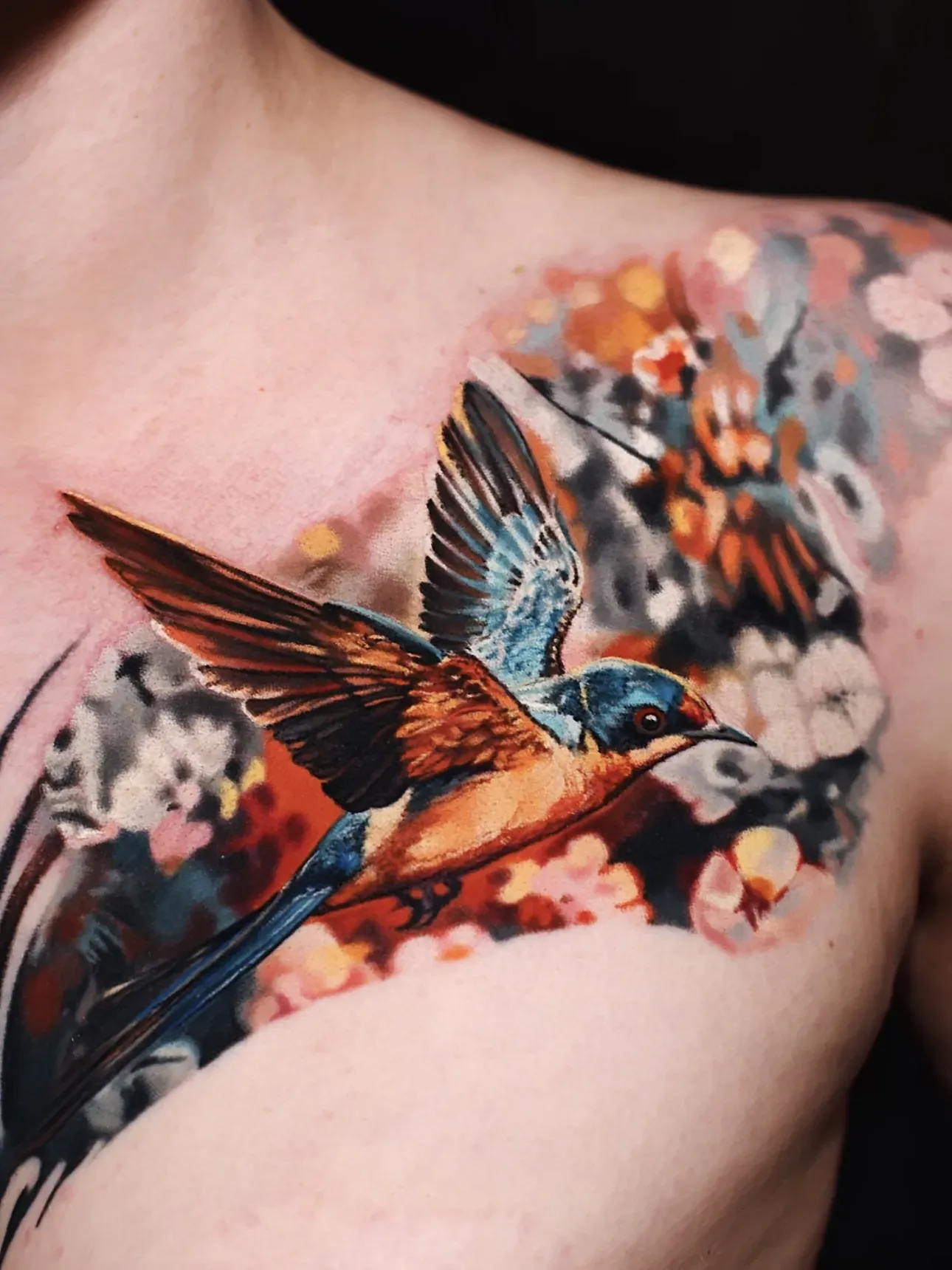
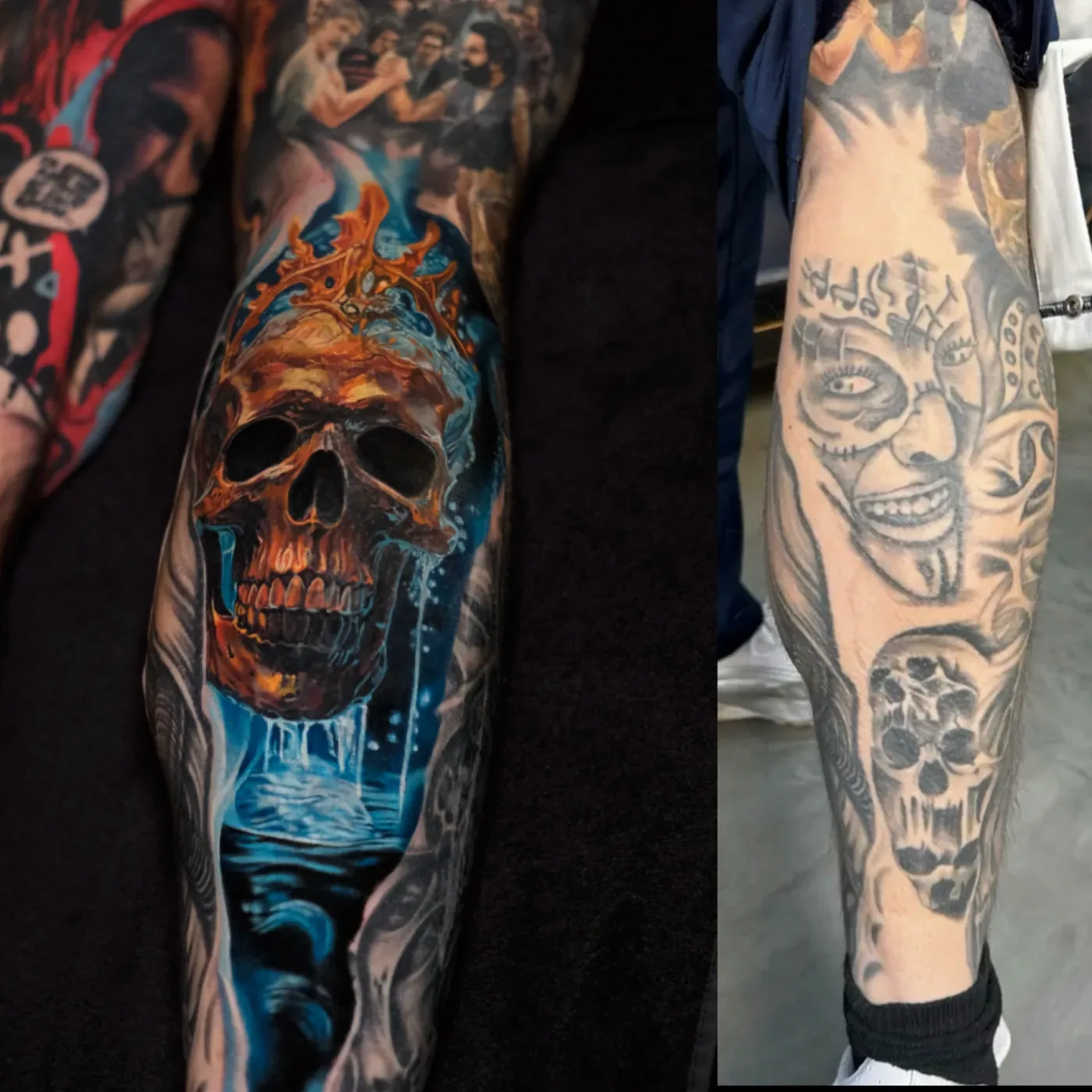
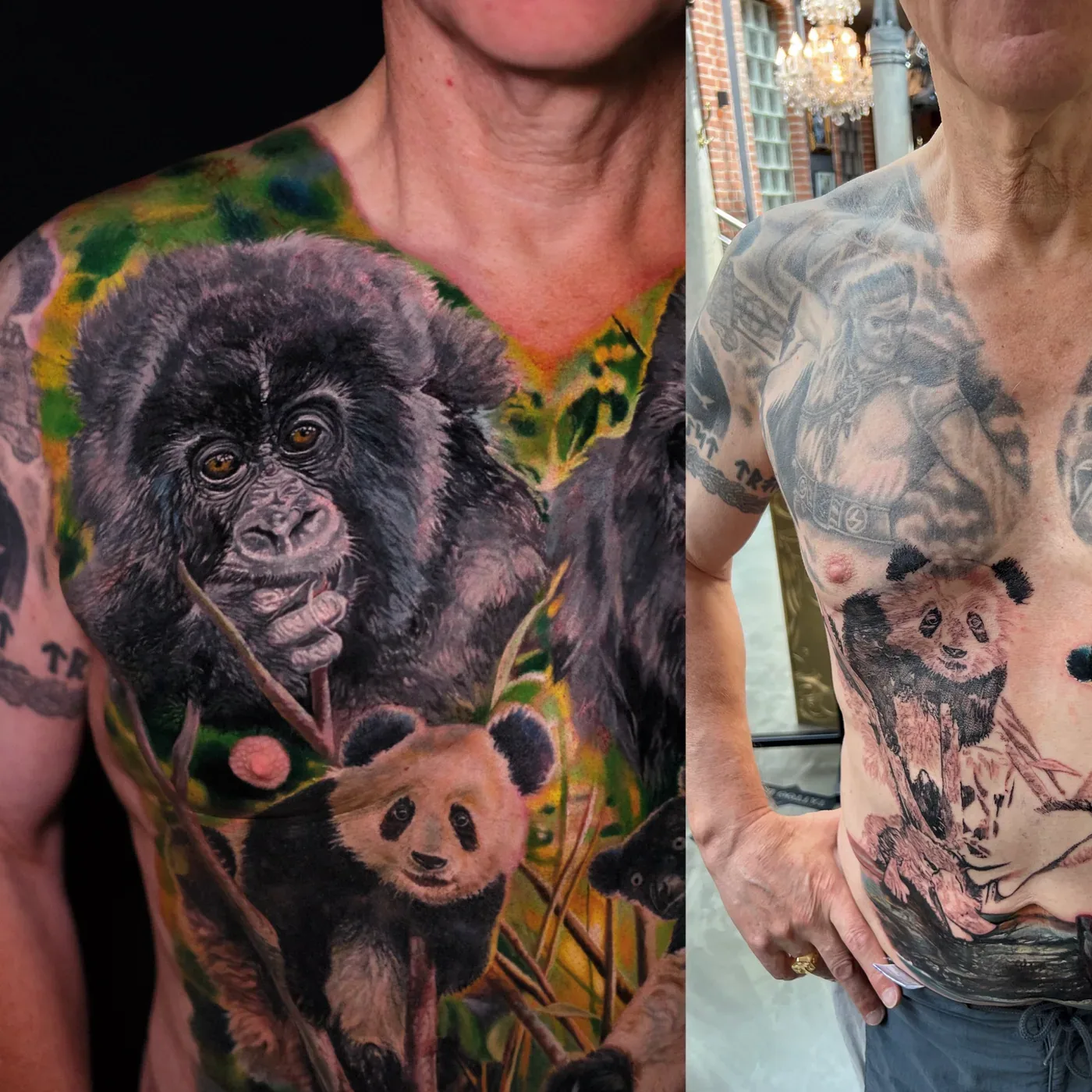
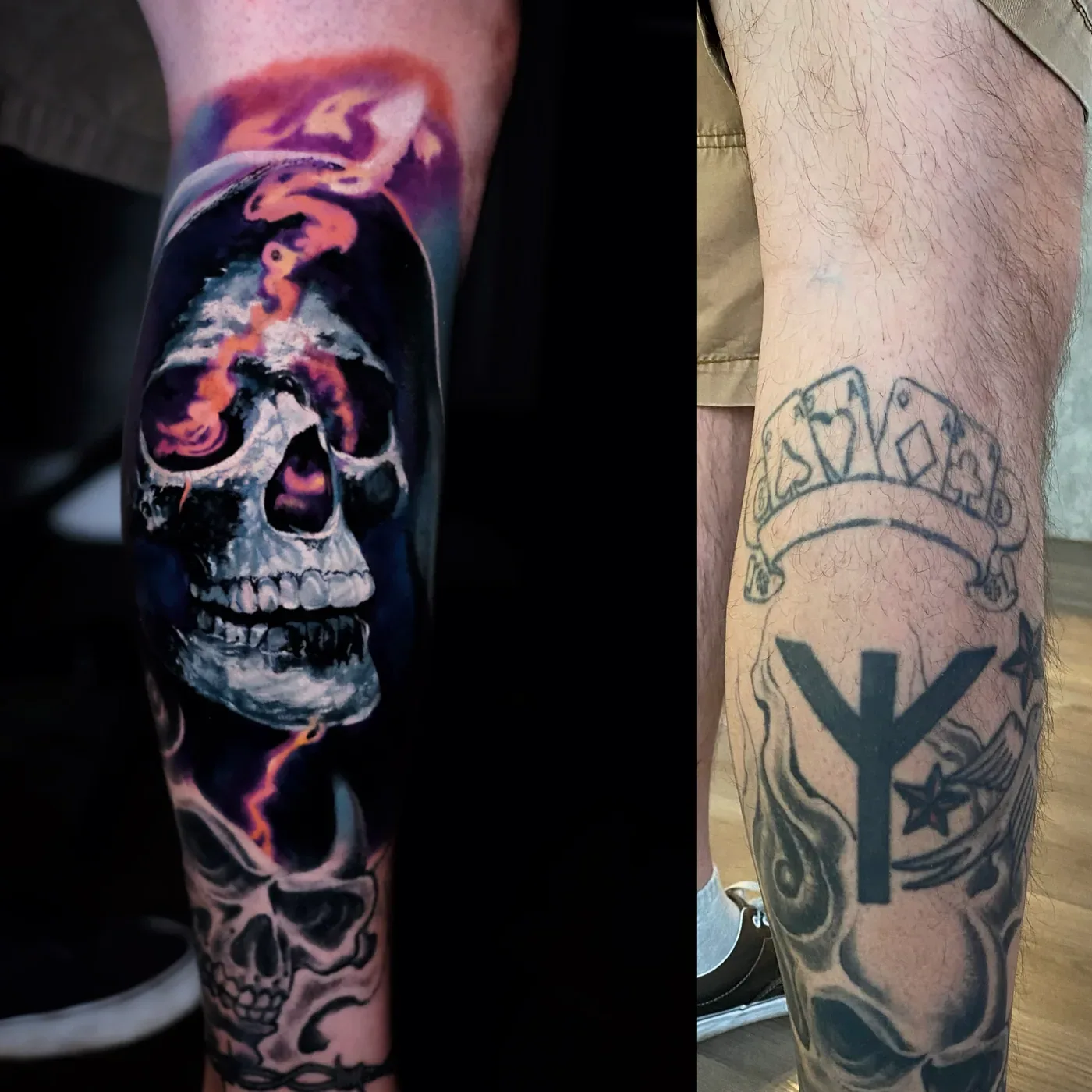
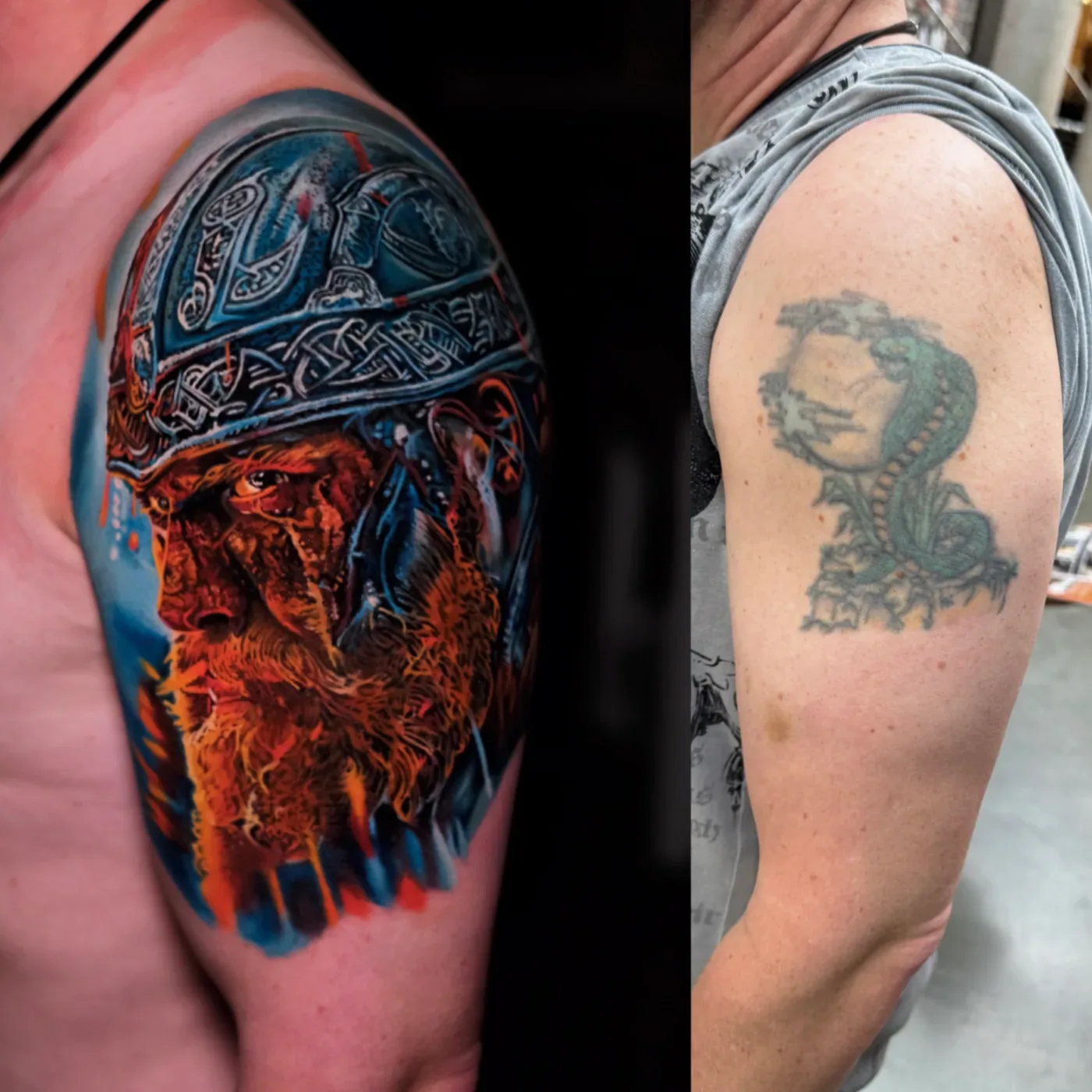
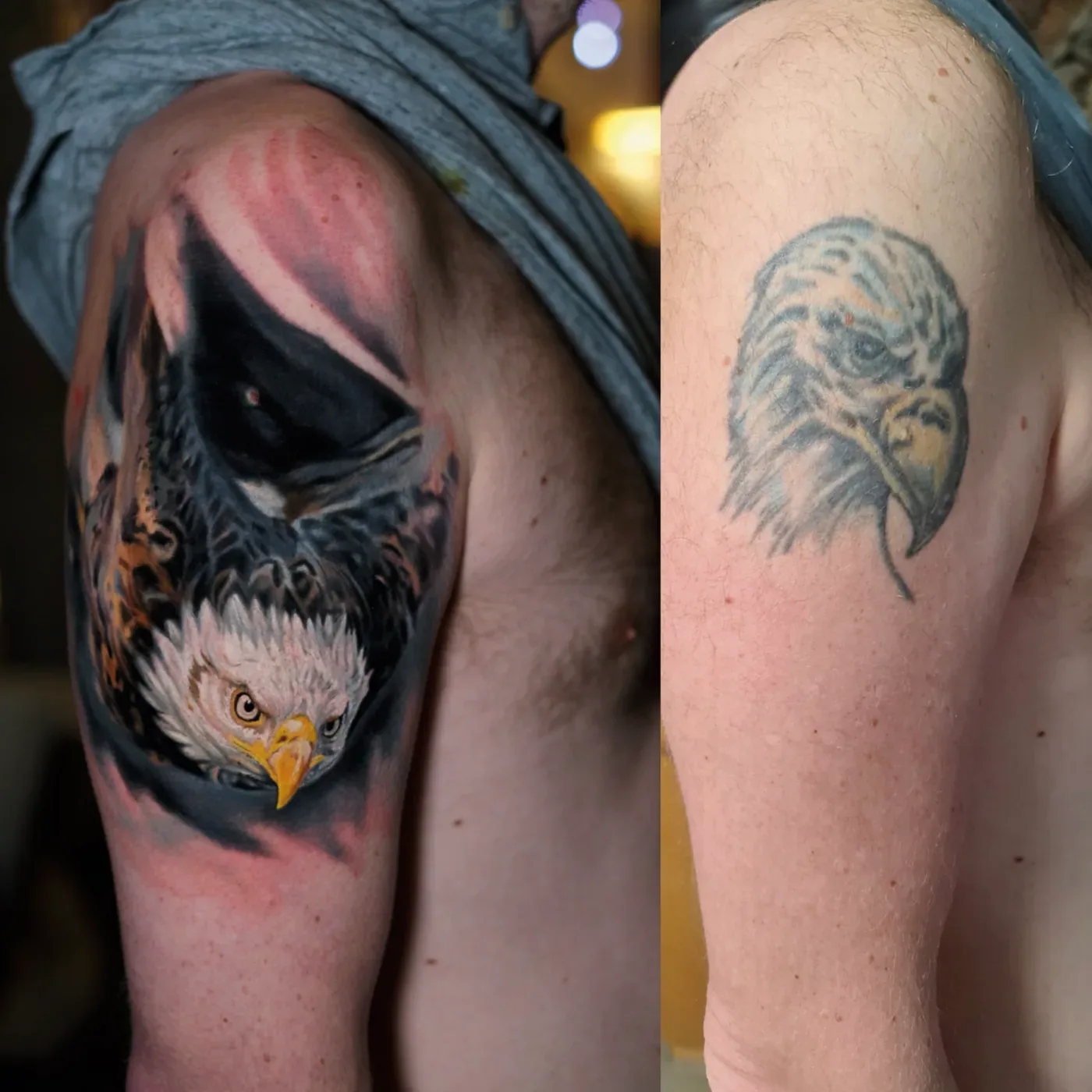
Cover-up tattoos in Wrocław are one of our main specializations. We cover old, faded, badly done, or simply outdated tattoos with a new design — including ones other studios won’t take on. We start every job with a photo and an honest assessment before we ask for a deposit.
A cover-up is a new tattoo designed so that the old design disappears completely underneath it. It is not simply a black blob painted over the top. The artist uses the dark areas of the old tattoo as shadow, arranges the composition around the trickiest spots, and chooses a motif with enough depth to cover what was there before.
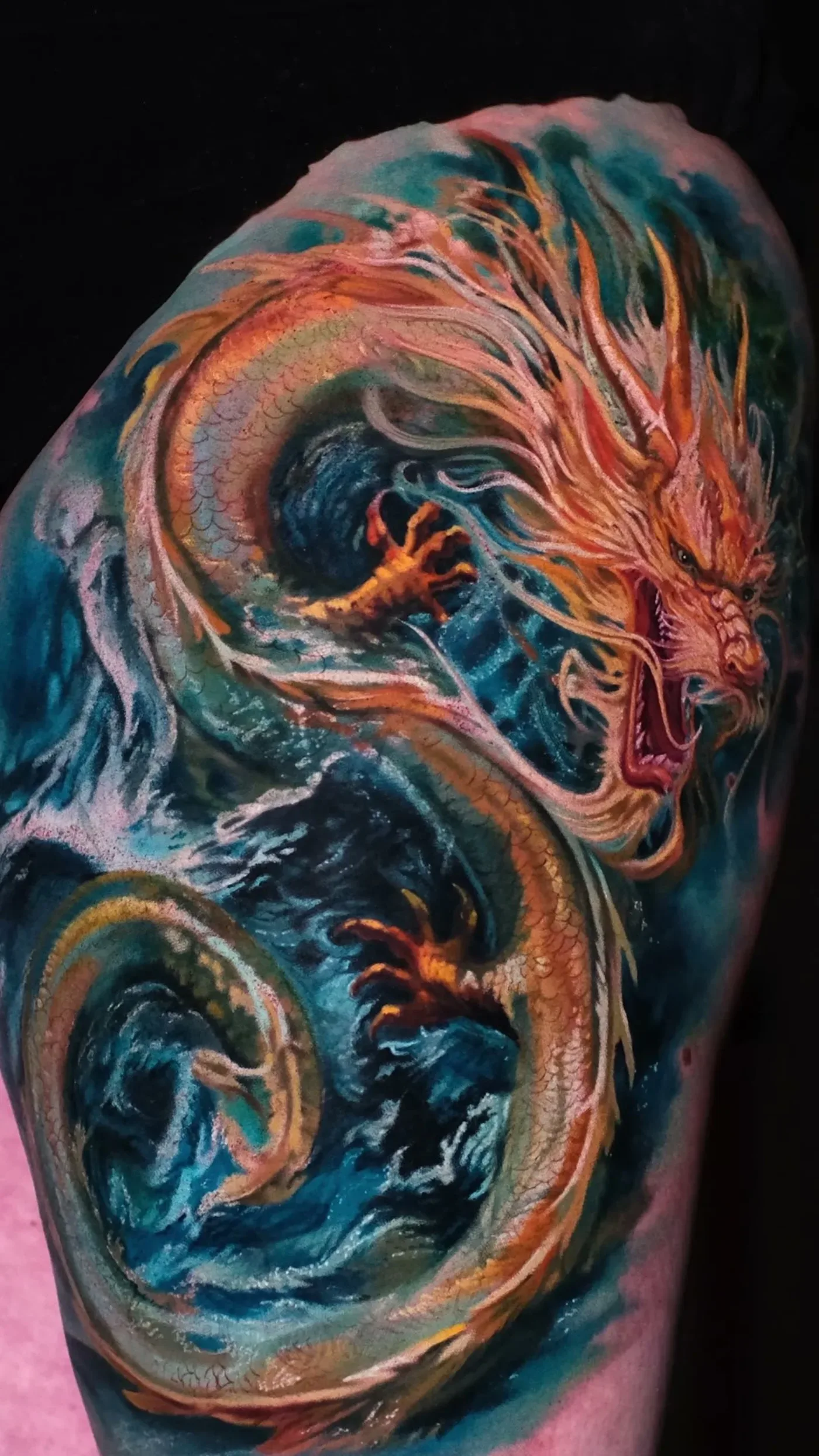
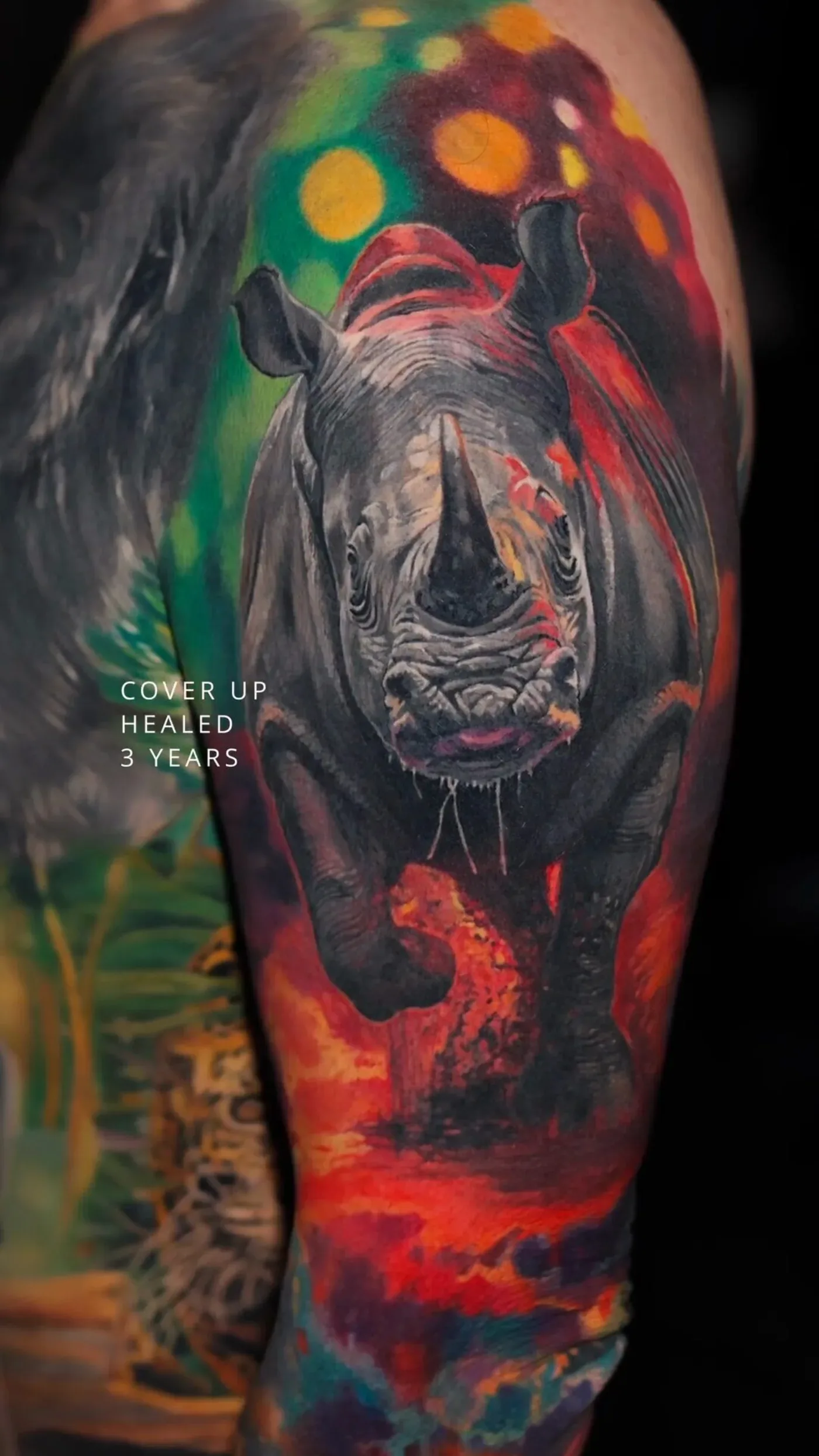
That’s why a good cover-up is usually larger and darker than the original. Motifs with plenty of shadow and texture work best: realistic animals, portraits, flowers with dense backgrounds, darker compositions in color or in black and grey.
Sometimes it’s the other way around. If the old tattoo is very dark and dense, and you’re dreaming of something light and delicate, we’ll tell you straight. Sometimes a better route is a few sessions of laser lightening with a specialist, and only then a cover-up. We don’t do laser work ourselves.
Alex also takes on the cases where you often hear “it can’t be done”:
There are limits, too. A light color or a thin line won’t cover black, which is why fine line isn’t suitable for a cover-up, and the new design needs enough shadow and depth. A very dense tattoo sometimes has to be lightened with laser first, and a fresh one has to heal completely before we can assess what can be done with it.
We start the assessment with a photo, before we ask for a deposit. We look at:
That’s why the photo has to be honest: in daylight, without filters or flash, taken straight on. After the assessment, we come back with a design direction, an estimated price and the number of sessions.
Cover-ups are done by Alex, the studio founder. He has been tattooing since 2009 and specializes in realism, hyperrealism, and difficult reworks: old, dark, heavily saturated tattoos and awkward body placements. He works in full-day sessions, so large cover-ups are spread over several appointments with healing breaks in between.
The new motif is often done in realism, in color or in black and grey — see Alex’s realistic tattoos and color tattoos.
Portfolio
Team
Co-founder and co-owner of the studio
Alex666Cold is an international tattoo artist with over 17 years of experience, specializing in hyperrealism, photorealism, color realism and extreme cover-ups. Based in Wrocław.
Questions
Most can, but not every one and not in every way you might like. It depends on how dark and saturated the old tattoo is, its size, and the motif you want instead. That's why before we ask for a deposit, we assess a photo and tell you honestly what's possible.
It depends on the size and saturation of the old tattoo and on the new design. Smaller cover-ups usually need less work, while big reworks are broken down by Alex into several full-day sessions with healing breaks. We'll give you an approximate number of sessions after seeing your photos.
A photo of your current tattoo in daylight, without filters or flash, taken straight on, not at an angle. Add the approximate size in centimeters, how long ago it was done, and a few pictures of motifs you like.
Often yes, though it requires a larger and darker design. Solid black won't disappear under a light color, but it can become a deep shadow in the new composition. For very dense tattoos we sometimes recommend lightening them with laser first, at a specialist clinic.
If you want a new tattoo in that spot, a cover-up is usually a quicker path than complete removal. Laser makes sense when you want to get rid of the tattoo without a trace or do something considerably lighter in its place. We don't do laser ourselves, but after seeing your photo we'll tell you whether a cover-up is enough in your case.
In the broad sense, cover-up describes two situations. In a rework, the general shape of the old tattoo stays, and the artist fixes, refreshes or refines it. In a cover, a completely new composition is created, and the old design disappears entirely beneath it. That's what most of Alex's cover-ups look like.
As a rule, yes. To hide an old motif effectively, the new design needs darker areas and a larger surface, and sometimes an armband turns into a full sleeve. Alex will tell you the minimum size needed for an effective cover-up after seeing a photo.
Yes, that's Alex's specialty. Most of his cover-ups move from old or abstract work to realistic portraits of people and animals, or scenes in hyperrealism and color realism. The deep shadow and texture of realism cover what was there before very well.
When the old tattoo is very saturated, it sometimes takes 1–2 laser lightening sessions with a specialist. The whole plan is then usually extended by a 2–3 month break before Alex starts the cover-up. Whether you need laser at all, we'll tell you after seeing a photo.
Sometimes, yes. Alex also takes on covering scars and discoloration, designing a camouflaging composition matched to the texture of the skin. Whether that makes sense in your case, we'll assess from a photo in daylight.
Message us on WhatsApp and we will match an artist to your idea.